TPEE
Thermoplastic Polyester Elastomer
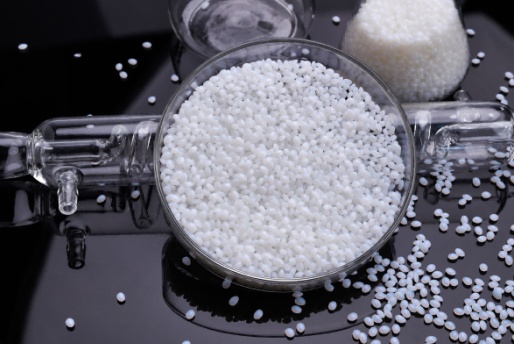
TPEE stands for Thermoplastic Polyester Elastomer, also know as Poly(butylene terephthalate-co-polyether glycolate). It is a polyetherester elastomer material containing polyether soft satin, belonging to the thermoplastic polyetherester elastomer category.
Main Characteristics
Excellent Thermal Performance:
TPEE has excellent heat resistance. The higher the hardness, the better the heat resistance. When used above 120°C, the tensile strength of polyetherester elastomers is significantly higher than that of polyurethane (TPU) under the same conditions.
Excellent mechanical properties:
TPEE has high toughness, high elongation at break and high flexibility, with an elongation at break exceeding 400%. It has extremely high tensile strength, with higher bulk compression modulus and tensile modulus than polyurethane. It also has excellent fatigue resistance.
Excellent Resilience Performance:
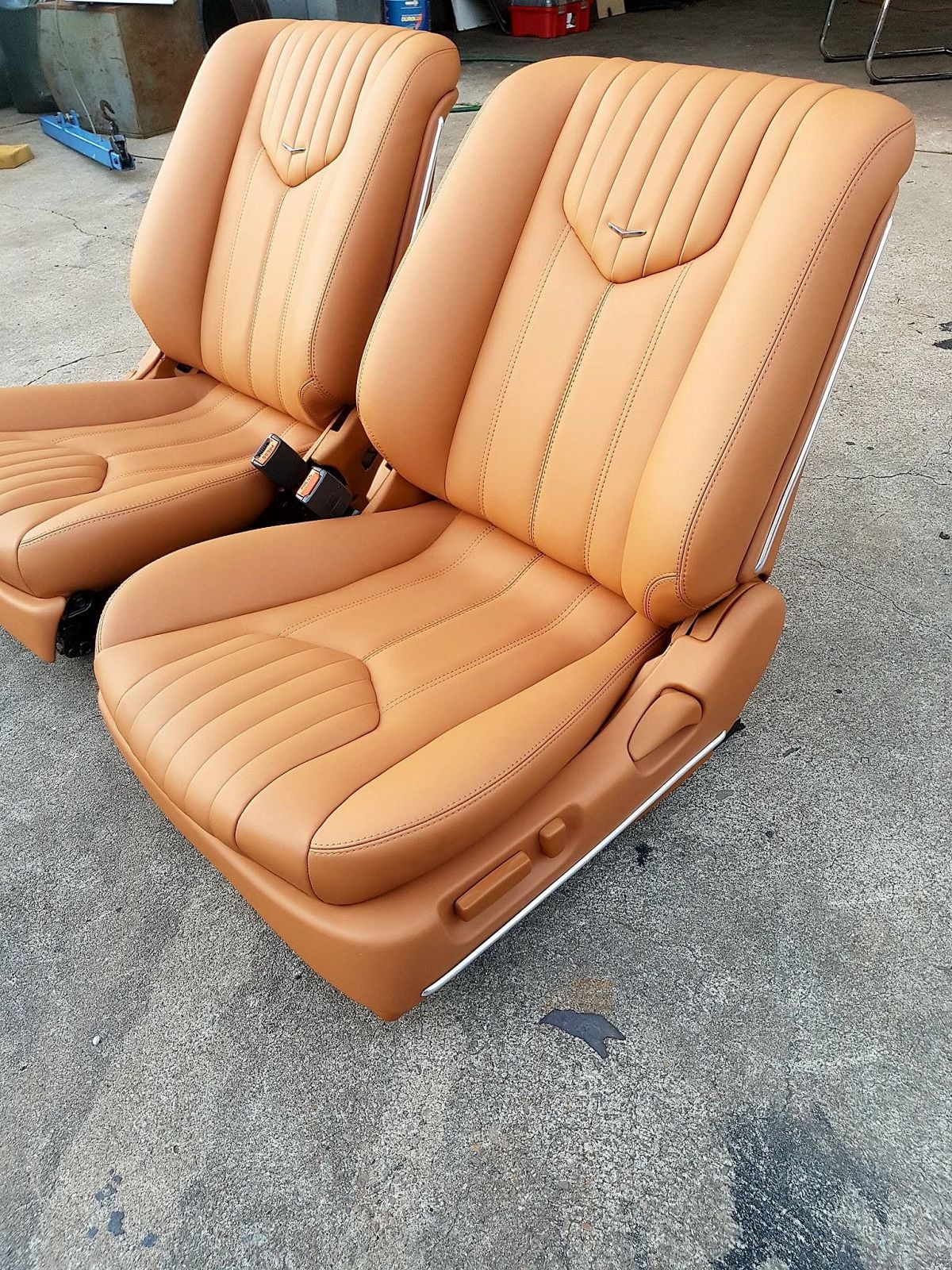
Due to its high resilience, TPEE is often used in applications requiring rapid deformation recovery, such as automotive seals, gearbox hoses, and other components subject to high-frequency loads.
It can also be used in springs, extending their service life, such as by using TPEE in trains to help them start, accelerate, decelerate, and stop smoothly. Compared to metal springs, it is immune to rust and component deterioration.
It offers excellent reusability while maintaining excellent elasticity, with a non-destructive resilience exceeding 70%.
Excellent Processability:
TPEE has excellent melt stability and sufficient thermoplasticity, resulting in good processability and amenability to various processing techniques, such as extrusion, injection molding, blow molding, and melt casting.