PCDL
Polycarbonate Diol
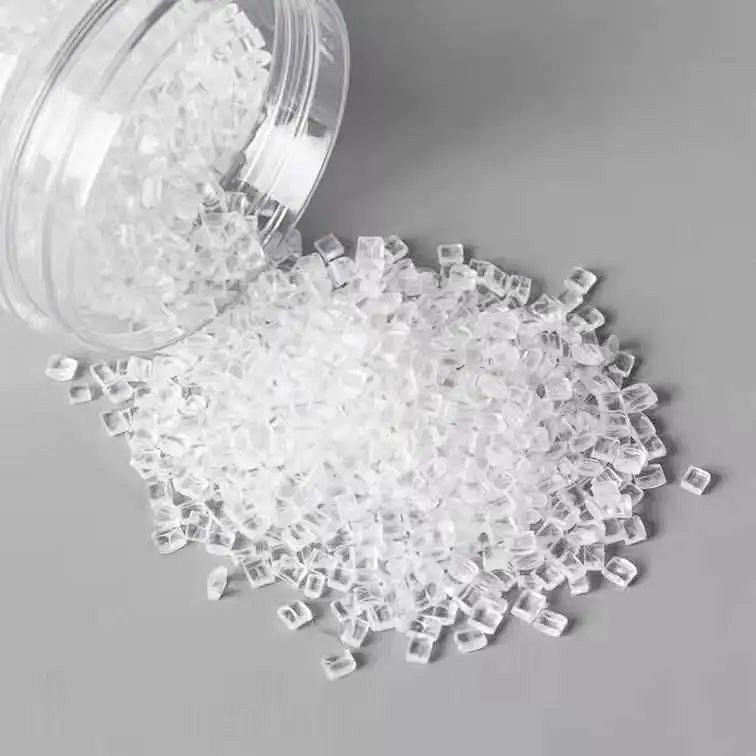
PCDL stands for Polycarbonate Diol. It is a long-chain polymer diol with a polycarbonate backbone and hydroxyl endcaps at both ends. Compared to common polyester polyols (such as PHA and PCL) and polyether polyols (PTMG), polyurethane materials based on PCDL exhibit superior hydrolysis resistance, heat resistance, abrasion resistance, and mechanical properties. They also possess high stability, maintaining their performance over extended periods under extreme conditions.
Hydrolysis Resistance:
PCDL is less susceptible to hydrolysis than common polyester polyols. Therefore, polyurethanes made from PCDL possess high hydrolysis resistance and can be used for extended periods in high temperature and high humidity conditions.
Chemical Resistance:
Compared to polyether polyols, PCDL exhibits higher chemical resistance. Products containing PCDL are less susceptible to dissolution or swelling in organic solvents and remain stable in these solvents for extended periods.
Heat Resistance:
PCDL has higher heat resistance than polyether polyols. Polyether polyols begin to pyrolyze and break down at temperatures above 140°C. Products containing polyether polyols must be added with antioxidants to slow this process, making them difficult to use for extended periods in high-temperature environments. While PCDL decomposes at temperatures above 240°C, so products made from PCDL can remain stable at high temperatures for extended periods.
Excellent Mechanical Properties:
Polyurethanes using PCDL as the soft segment exhibit superior mechanical properties compared to those using polyether polyols or standard polyester polyols. These polyurethanes are harder and more wear-resistant.