PBAT
Polybutylene Adipate Co-Terephthalate
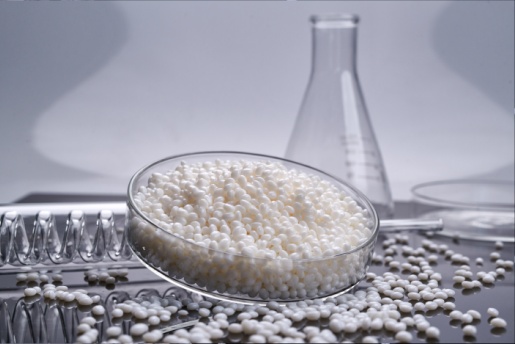
PBAT stands for Polybutylene Adipate Co-Terephthalate. It is a fully biodegradable synthetic polymer and a biodegradable thermoplastic. Simply put, it combines the excellent flexibility and biodegradability of PBA with the superior mechanical properties and heat resistance of PBT. Therefore, PBAT possesses the favorable properties of traditional plastics while ultimately being decomposed by microorganisms into carbon dioxide and water in the natural environment, making it a key material in addressing "white pollution."
 Consult
Excellent Biodegradability:
Under industrial composting conditions (a certain temperature, humidity, and microbial environment), PBAT typically can be degraded by over 90% within 180 days, with CO and H₂O as the final products, minimizing environmental impact.
It also degrades in natural environments such as soil and seawater, but at a slower rate.
Excellent Mechanical Properties:
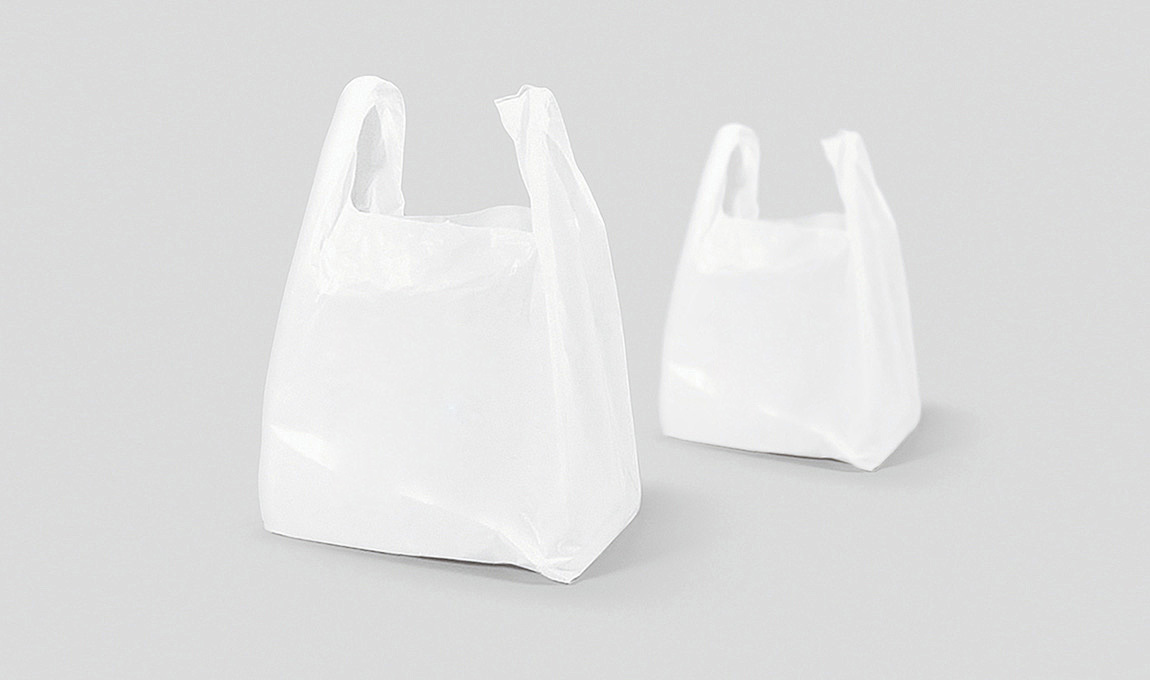
PBAT has high toughness, high elongation at break and excellent flexibility, similar to low-density polyethylene (LDPE), and feels like a traditional plastic shopping bag. It also has excellent impact resistance.
Excellent Processing Performance:
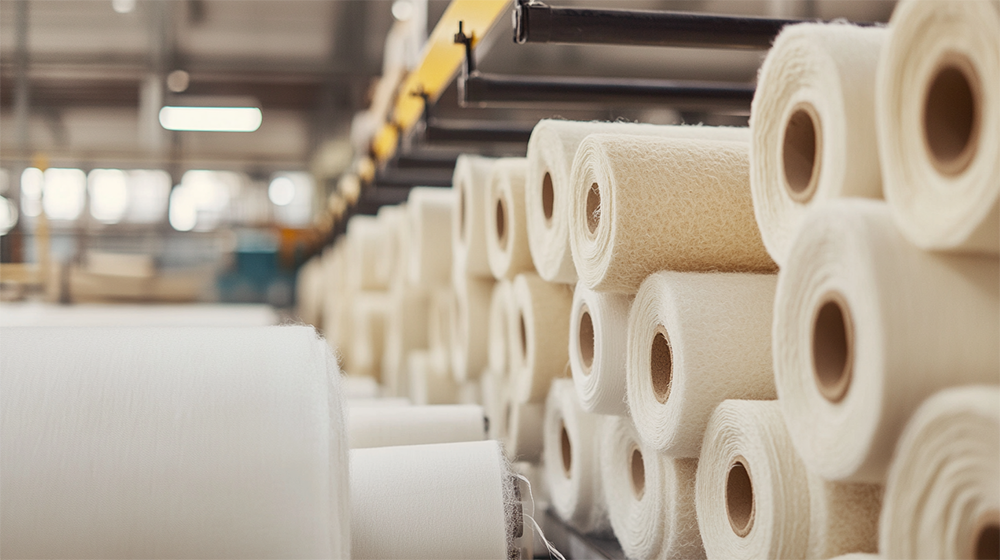
PBAT can be processed by traditional plastic processing equipment for blown film, injection molding, and extrusion, similar to the processing of polyethylene (PE). This makes the plastic industrial transformation relatively easy.
Safety:
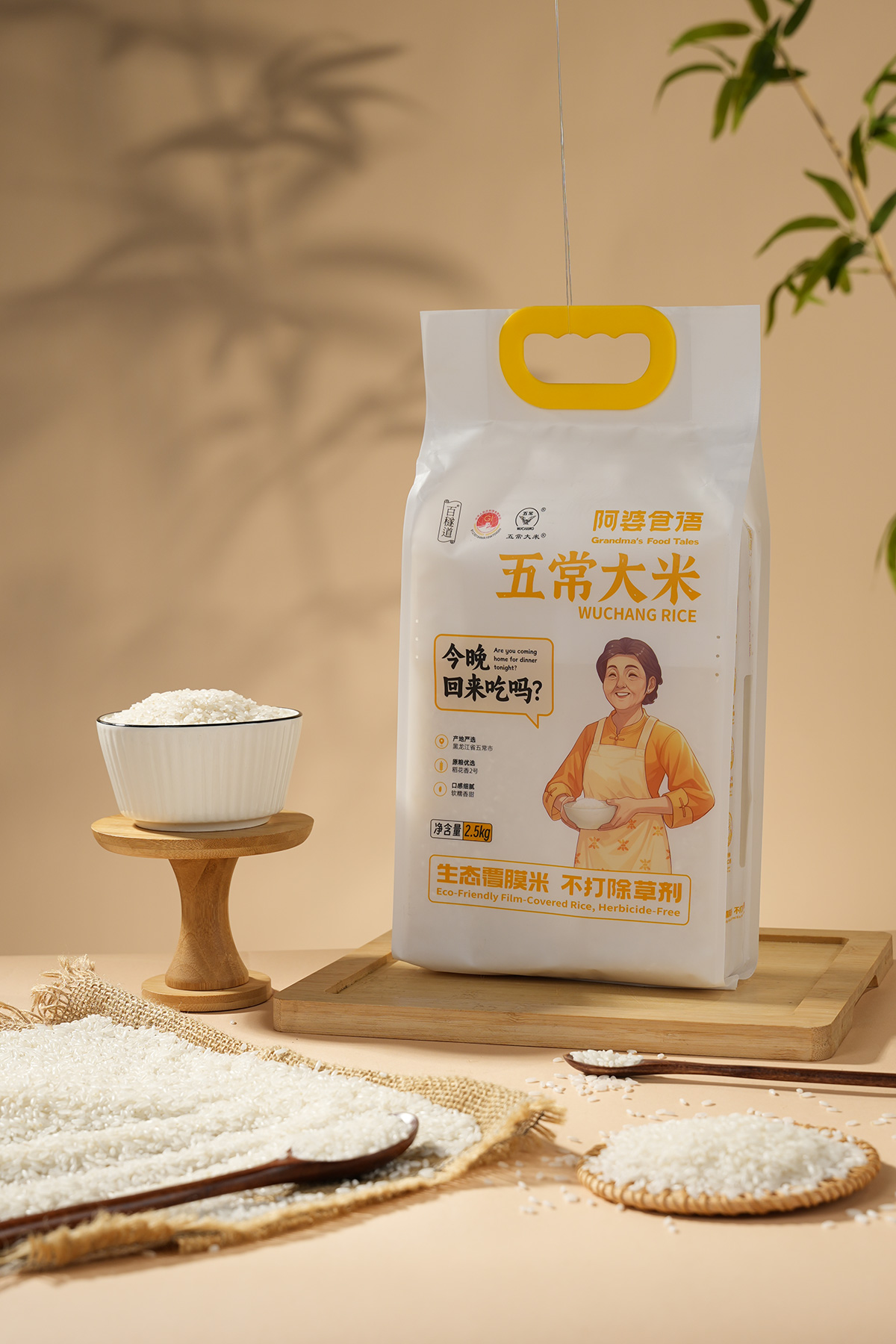
It can be degraded into non-toxic and harmless products, meeting the safety standards for food contact materials and can be used in food packaging.